

“Start with the rising sun and work toward the setting sun, but take only the mature trees, the sick trees and the trees that have fallen. When you reach the end of the reservation, turn and cut from the setting sun to the rising sun and the trees will last forever.”
This is the forest management philosophy of Chief Oshkosh of the Menominee Tribe of northeast America from the nineteenth century. They are the opening words of a new film, Forested Future, telling the story of the hardwood forests of the eastern USA, the story to date and what it could be tomorrow. They are recited by Joey Awonohopay of the Menominee Reservation in Wisconsin, and he says Chief Oshkosh’s wisdom still guides the way the Tribe works the forest today.
Forested Future has been produced by the American Hardwood Export Council (AHEC) and is directed by film maker and photographer Petr Krejí. The US is the biggest supplier of hardwood in the international timber trade and AHEC’s role is to support and develop its market. In today’s increasingly environment conscious and climate concerned world, that means convincing buyers American hardwood is a truly sustainable resource.
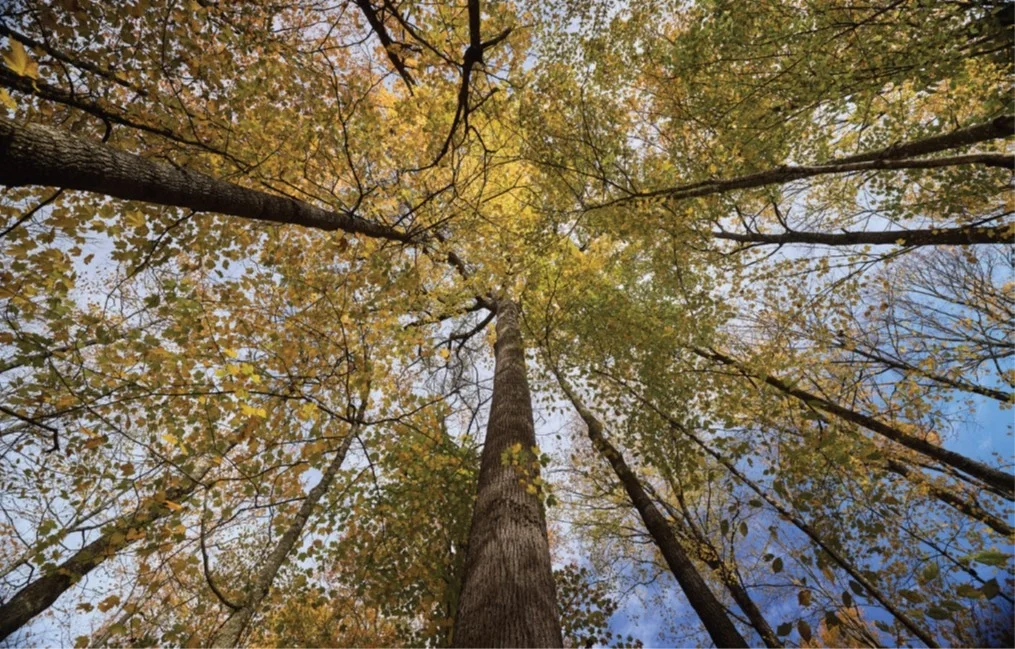
But Forested Future is far more than a piece of marketing. The subtitle of the hour and a half film is ‘American communities pioneering ways to restore the world’s great forests’. It is not just about the facts and figures; that hardwood growth in Eastern US forests has exceeded timber harvest 2 to 1 over the past decade and that 40 million acres of forest has regrown naturally, largely on family-owned plots, since the early 20th century. It is also about how the human race can live symbiotically with the forest, how we have done so for most of our history and are increasingly understanding that we must do today and into the future. The core message is that our wellbeing on this planet is inextricably linked to the health of the forest, that we are co-dependent and our futures intertwined.
Rather than a disengaged, dispassionate voiceover, this is all communicated in their own words by the people who live in and from the forests; the Menominee, and America’s more than nine million family forest owners, plus the loggers, the sawmillers, builders and furniture makers and the forest department workers. The film is as much about the people as the trees, and it essentially presents a template of how globally we can exist in harmony with the forest and nature more widely. In not so many words, it explains that we actually can have our timber cake and eat it. We can harvest wood and use it in construction and manufacturing, with the carbon and wider environmental and wellbeing benefits that it delivers. At the same time, we can enable the forest to flourish and grow, with all that entails for climate and water regulation and biodiversity maintenance. It’s thoughtprovoking and emotionally engaging.
The film was inspired by the book A Trillion Trees: How We Can Reforest Our World by UK journalist and author Fred Pearce. This argues that the best way to restore our severely depleted global forest resource is mostly to stand back, make room and let the forests and those who live in them do the rest.
To read the full article Subscribe to TTJ magazine


